Stairs before lifts
In offices, stations, and apartment buildings, stairs are often available and easy to include in daily transitions. One or two stair choices per day already add useful movement moments.

Urban lifestyle in Finland
Movement in a city does not need a gym routine. Small choices in streets, parks, and stairways can create a balanced, active day with a clear head and steady energy.
Open city checklistIn Tampere and other Finnish cities, daily routes already include opportunities for movement. A short walk to a tram stop, a bike ride to a local market, or a calm evening lap in a nearby park can become practical parts of a routine. This approach keeps activity connected to real plans rather than separate tasks. It can fit office schedules, family time, and changing weather. Instead of focusing on intensity, the focus stays on continuity: a few active decisions during morning, midday, and evening. Streets, waterfront paths, and neighborhood squares become flexible spaces for motion and breaks. This mindset also helps people notice city details, from architecture to seasonal light, which can make the day feel richer. Over time, simple repeated actions often become habits. The result is a lifestyle where activity has a natural place, whether the day is busy, social, or quiet.
Walking can support structure in a modern urban day. Start with one route that you already take and convert a part of it into a walking segment. For example, leave public transport one stop earlier, or choose a small local store that is ten minutes away. Mini walks between tasks also help people reset attention and return with a clearer focus. Evening walking in a park can become a transition between work and personal time. In colder months, route planning and proper layers keep the routine realistic. In brighter seasons, longer loops through green areas can add variety. The key is regularity and comfort. A practical pace, comfortable shoes, and visible milestones like bridges or squares make the habit easy to repeat across different weekdays.

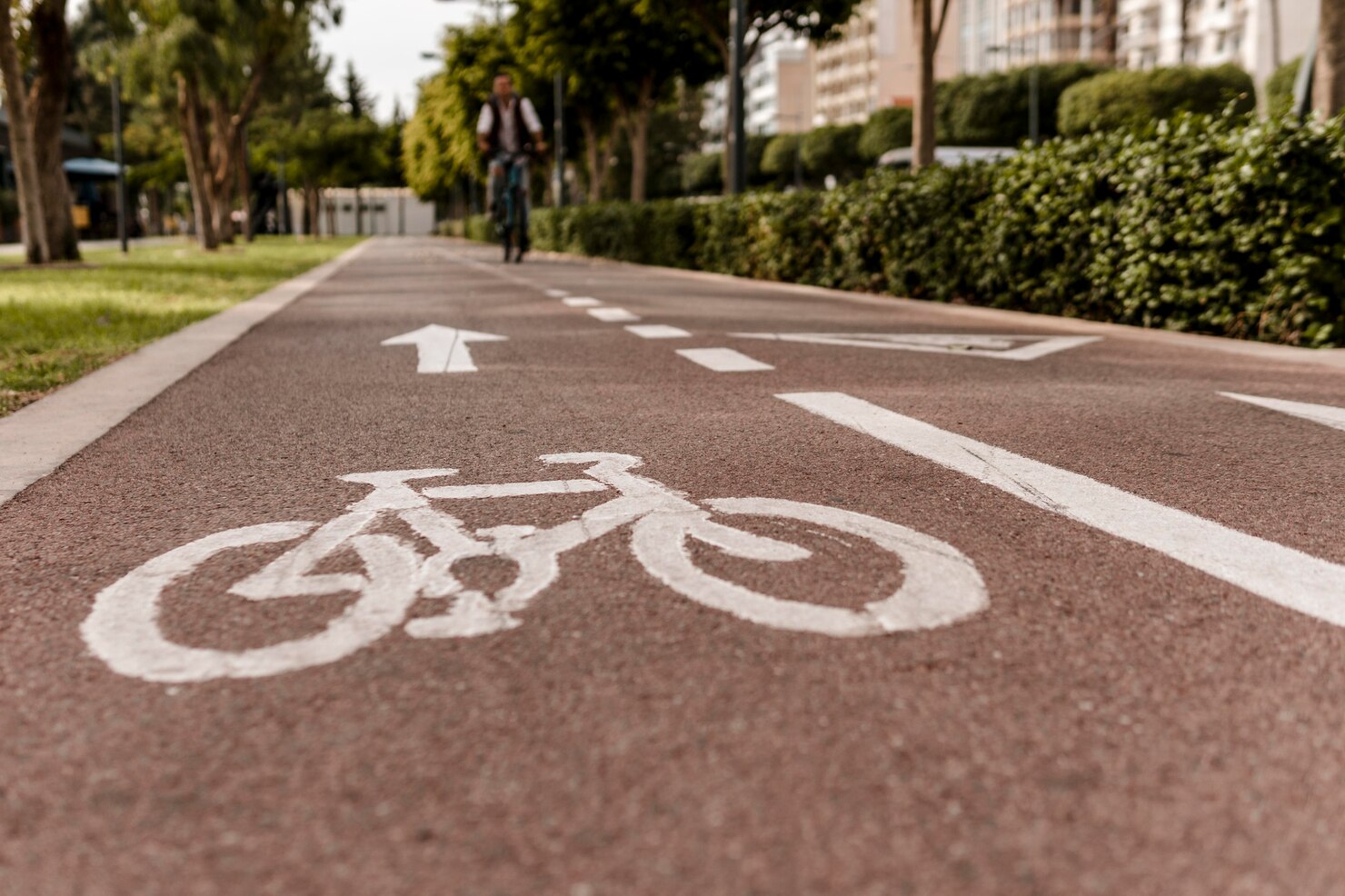
Cycling can be a convenient option for short distances where walking feels long and transport feels indirect. A bike route to work, a library, or a friend meeting can combine movement with practical travel time. Many people prefer to begin with familiar roads and then add new paths gradually. Urban cycling can also create enjoyable exploration: waterfront lines, historical blocks, and residential lanes each offer different rhythm and views. Safety habits remain central, including lights, visibility, and route awareness. For flexible planning, a short bike ride can also pair with walking, especially when weather changes during the day. This mixed approach keeps mobility practical. Even one or two rides in a week can become a dependable part of city life.
In offices, stations, and apartment buildings, stairs are often available and easy to include in daily transitions. One or two stair choices per day already add useful movement moments.
Parks, riverbanks, and public squares can become active corridors for brisk walking. Choosing these routes can refresh focus between meetings or errands.
Meet friends for a walk, open-air event, or light movement session in public spaces. Social activity outdoors can be practical and enjoyable through the week.
A simple weekly rhythm can keep activity realistic. On Monday and Thursday, use a partial walking commute. On Tuesday, choose a short bicycle route for errands. On Wednesday, schedule two mini walks between tasks. On Friday, add a longer evening walk to close the week calmly. During weekends, use urban parks or waterfronts for relaxed movement with friends or family. This rhythm leaves room for weather changes and work shifts while keeping a stable baseline of motion. If one day is less active, the next day can include one extra choice without pressure. The purpose is continuity rather than strict metrics. Over time, this rhythm helps movement feel integrated into city life.
Many people start with 5 to 15 minutes. The key is consistency and fitting the walk naturally between tasks.
A reliable bike, visible lights, and weather-appropriate clothing are usually enough for short urban routes.
Use flexible plans: combine transport with walking, choose shorter loops, and keep one indoor backup activity.
Need structured ideas for light movement in your city routine? Visit the contact page and send a message with your schedule style, preferred locations, and weekly constraints. You can also use the map to locate the office in Tampere.
Open contact page